


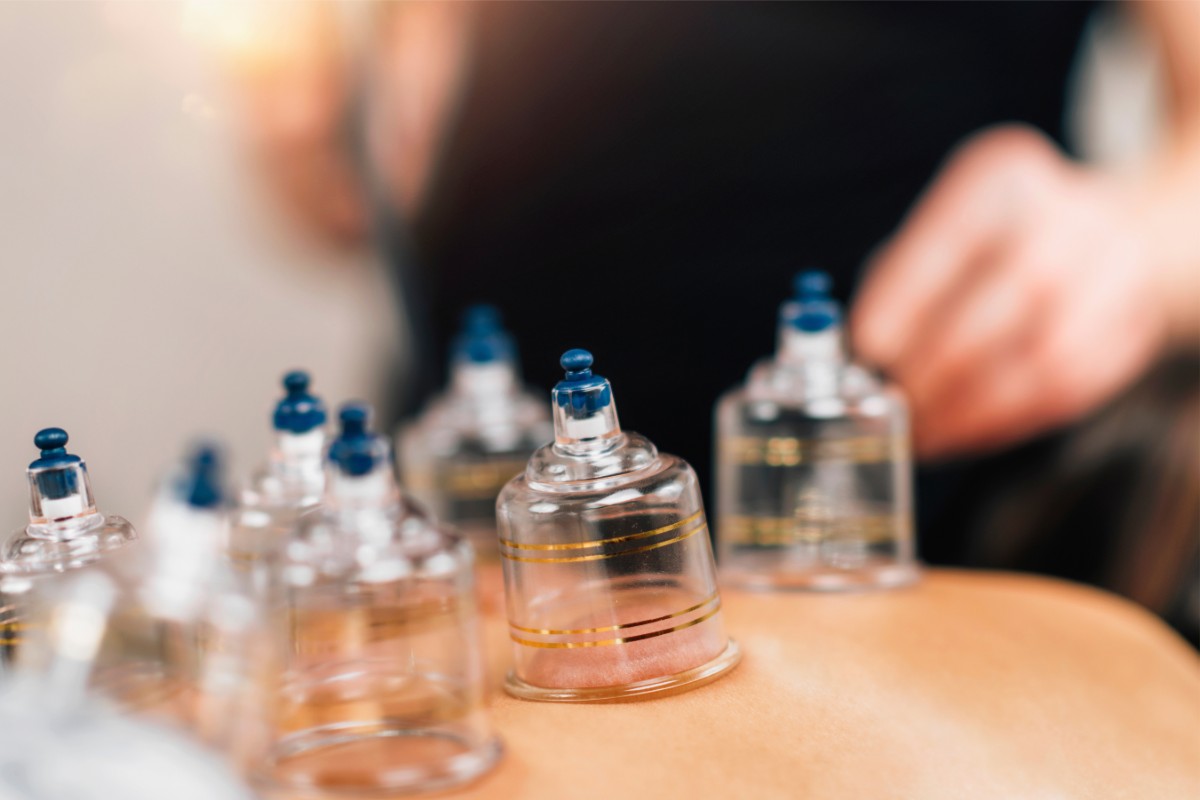
Traditional and complementary therapies can be used alongside conventional medical treatments. One of the most commonly practiced complementary therapies in Türkiye is Hijama (wet cupping therapy). The World Health Organization (WHO) recognizes cupping therapy as one of the traditional medicine practices. Also known as cupping therapy, Hijama is performed in many healthcare centers around the world.
Hijama is the process of drawing stagnant blood through the use of vacuum cups. In addition to its potential health benefits, Hijama also holds religious significance. Many Muslims choose to undergo Hijama because it is regarded as a Sunnah practice. Beyond understanding what Hijama is, it is equally important to know who should perform the procedure, as improper application may result in serious injuries and other health complications.
Practitioners performing Hijama should hold certification issued by the Turkish Ministry of Health. The procedure should always be carried out under the supervision of a qualified physician in a sterile clinical environment. Another frequently asked question is “Who should not undergo Hijama?” Since certain individuals have a higher risk of complications, alternative complementary therapies may be more appropriate for:
- Pregnant or breastfeeding women
- Women during their menstrual period
- Individuals with severe anxiety disorders who may not fully understand or tolerate the procedure
- Patients with bleeding disorders, anemia, or blood clotting abnormalities
- Individuals with significant scar tissue at the treatment site
- Patients with respiratory failure, recurrent syncope (fainting), or similar serious medical conditions
What Are the Benefits of Hijama?
Hijama offers numerous potential health benefits when performed correctly by qualified professionals. One of its primary benefits is improving blood circulation. It may also help reduce edema and relieve areas of tissue stiffness. Another potential benefit is enhancing tissue nourishment by improving local circulation.
Hijama is also believed to support the immune system. Many people undergo the treatment for pain relief and as a complementary approach for certain medical conditions. Dry cupping has traditionally been used to help relieve headaches, infections, and liver-related conditions. It has also been used as a complementary therapy for some neuropsychological disorders and joint-related problems. By promoting circulation, Hijama may assist in removing accumulated metabolic waste products from capillary circulation.
Some individuals choose Hijama for its potential stress-relieving effects and its contribution to overall well-being. It has also been used as a complementary therapy for menstrual irregularities, Parkinson’s disease, urticaria (hives), and various other conditions. Others seek Hijama for its detoxifying effects. Additionally, because it may stimulate collagen production and cellular regeneration, it has gained popularity as an aesthetic treatment for improving skin quality, reducing cellulite, and addressing various skin concerns.
How Is Hijama Performed?
Patients considering the procedure often ask, “How is Hijama performed?” Since many unauthorized individuals offer this treatment, choosing a certified healthcare professional is essential. For your safety, Hijama should only be performed by physicians certified by the Ministry of Health.
Hijama targets stagnant blood beneath the skin that may contain metabolic waste products and free radicals. Certain substances originating from processed foods and environmental exposure may also circulate within the bloodstream. By performing Hijama, these unwanted substances are believed to be removed from the body as part of a complementary treatment approach.
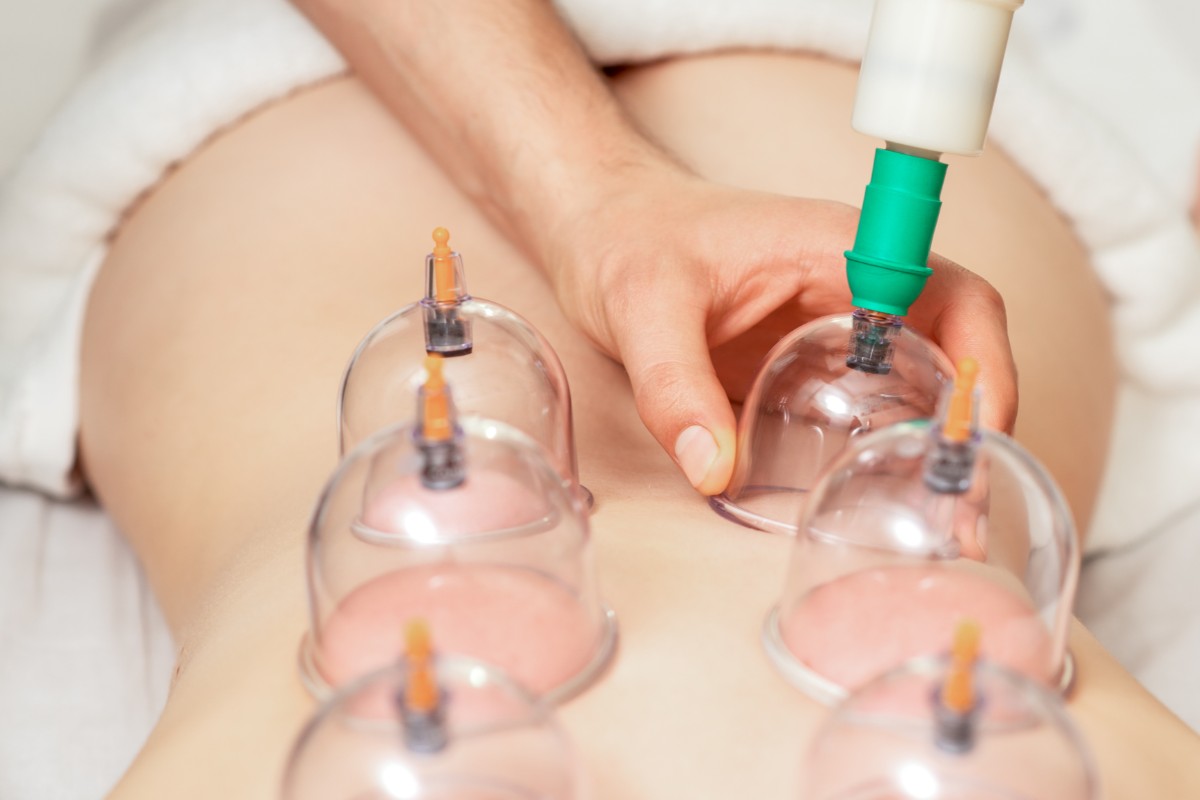
There are two primary types of Hijama:
Dry Cupping
In dry cupping, a glass cup or a specially designed medical cup is used to create negative pressure. Traditionally, this was achieved using heat, although modern medical cups generally use suction pumps. The cups remain on the skin for approximately 5–10 minutes, stimulating circulation without bloodletting.
Wet Cupping (Hijama)
Wet cupping involves making small superficial skin incisions before applying the suction cups. This allows a small amount of blood and tissue fluid to be drawn into the cups. Temporary discoloration at the treatment sites is common following the procedure.
Common Hijama Points
Different anatomical regions may be selected depending on the patient’s condition.
Common treatment areas include:
- Lumbar spine
- Lower back
- Sacrum and coccyx
- Area over the kidneys
- Upper gluteal region
- Thighs
- Calves
- Ankles
- Soles of the feet
- Crown of the head
- Forehead
- Temples
- Behind the ears
- Nape of the neck
- Posterior midline of the scalp
Each treatment area is selected according to the patient’s individual needs and therapeutic goals.