




Lip filler is a cosmetic procedure in which a dermal filler is injected into the lips to create a fuller, more defined, and aesthetically pleasing appearance. The final result is tailored to each patient’s expectations and facial features. The natural shape and structure of the lips also play an important role in determining the overall outcome.
One of the biggest concerns among people considering lip fillers is achieving results that look natural and meet their expectations. If you share this concern, the most important factor is choosing an experienced physician. It is equally essential that the procedure is performed in a well-equipped medical clinic that adheres to strict hygiene standards. This minimizes the risk of complications and ensures optimal results.
Another key factor in achieving beautiful, long-lasting lips is following your physician’s pre- and post-treatment recommendations. When these guidelines are followed, the results of your lip filler treatment can be maintained for a much longer period.
Your physician will determine the most suitable technique for your facial proportions, including options such as the French Lip Technique, based on your lip anatomy and facial harmony. Lip fillers may also be combined with other aesthetic procedures to achieve comprehensive facial rejuvenation.
For patients who are dissatisfied with their results, filler dissolution using hyaluronidase is also possible. Regular follow-up appointments are important to determine whether any touch-ups or adjustments are necessary.
The cost of lip fillers varies depending on the clinic, the physician’s expertise, and the type and amount of filler used.
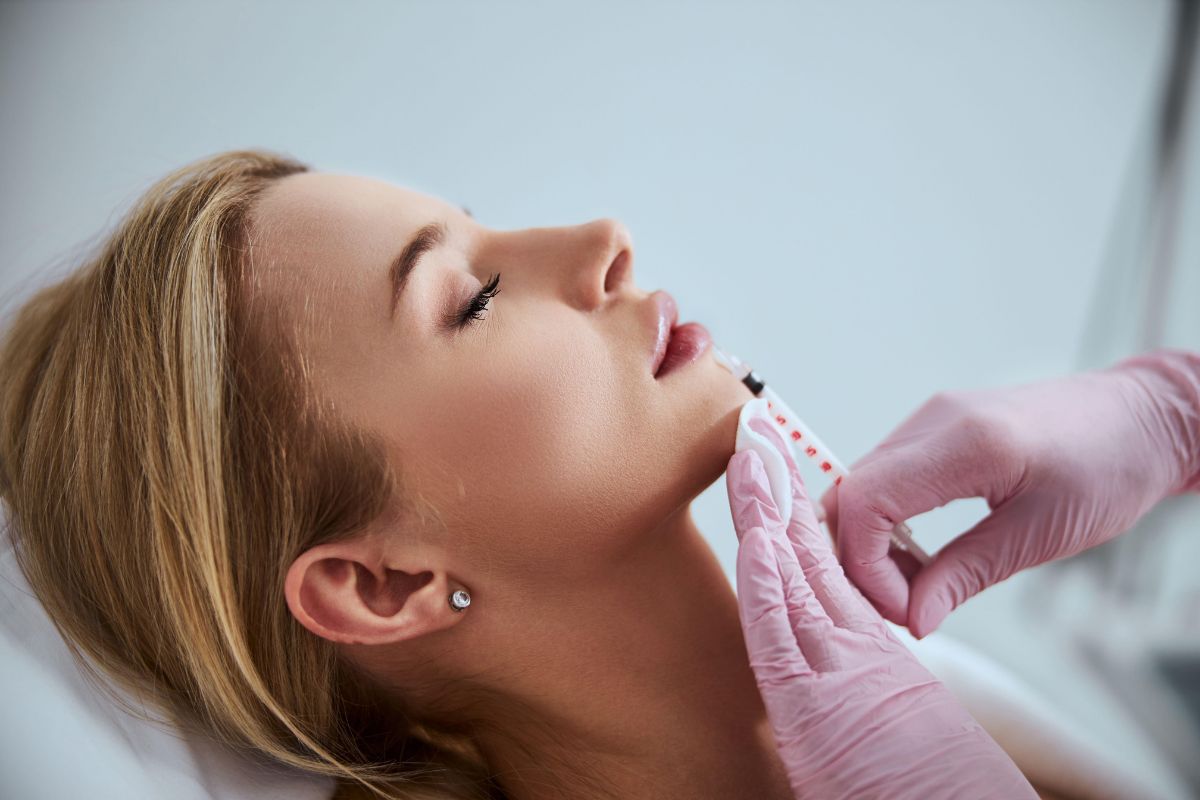
How Is Lip Filler Performed?
Many individuals considering the procedure wonder how lip fillers are performed. Lip augmentation is a minimally invasive, non-surgical aesthetic treatment designed to enhance lip volume and definition.
The physician first evaluates the anatomy of both the upper and lower lips. Based on this assessment, the most appropriate filler type and quantity are determined.
Hyaluronic acid is the most commonly used dermal filler for lip augmentation. Since hyaluronic acid is naturally found in the body and has excellent water-retaining properties, it provides a soft, hydrated, and natural-looking enhancement.
The procedure usually takes 15–20 minutes.
Many patients also ask whether lip fillers are painful. The answer is generally no.
Before treatment, a topical anesthetic cream is applied to numb the lips, making the procedure comfortable. The lips are then thoroughly disinfected to minimize the risk of infection.
Fine needles or blunt-tip cannulas are used to inject the filler into the lip border and areas requiring additional volume. Needle-free techniques may also be suitable in selected cases.
After the injections, the physician gently massages the lips to ensure the filler is evenly distributed, resulting in a smooth and symmetrical appearance.
1 mL Lip Filler
A 1 mL lip filler treatment is the most popular option for patients seeking subtle, natural enhancement. It adds volume, improves lip definition, corrects mild asymmetry, and provides a hydrated, youthful appearance.
2 mL Lip Filler
A 2 mL lip filler treatment creates a more dramatic increase in volume than a 1 mL treatment. However, for individuals with naturally thin lips, excessive filler may result in an artificial appearance. Therefore, beginning with 1 mL is generally recommended for first-time patients.
What Factors Affect the Longevity of Lip Fillers?
The longevity of lip fillers varies depending on individual lifestyle factors and metabolism. Results may last anywhere from 4–6 months to 12–18 months.
Several factors influence how long lip fillers last:
- Individuals with a fast metabolism tend to break down fillers more quickly. Athletes, in particular, often experience shorter-lasting results.
- Frequent exposure to heat through saunas or tanning beds may accelerate filler breakdown.
- Premium-quality filler brands generally provide longer-lasting results.
- First-time lip filler treatments typically wear off sooner than subsequent treatments. With repeated sessions, collagen stimulation may help maintain results for up to 18 months.
- Smoking shortens filler longevity by negatively affecting lip tissue.
- Inadequate water intake can reduce hydration and cause the lips to lose volume more quickly.
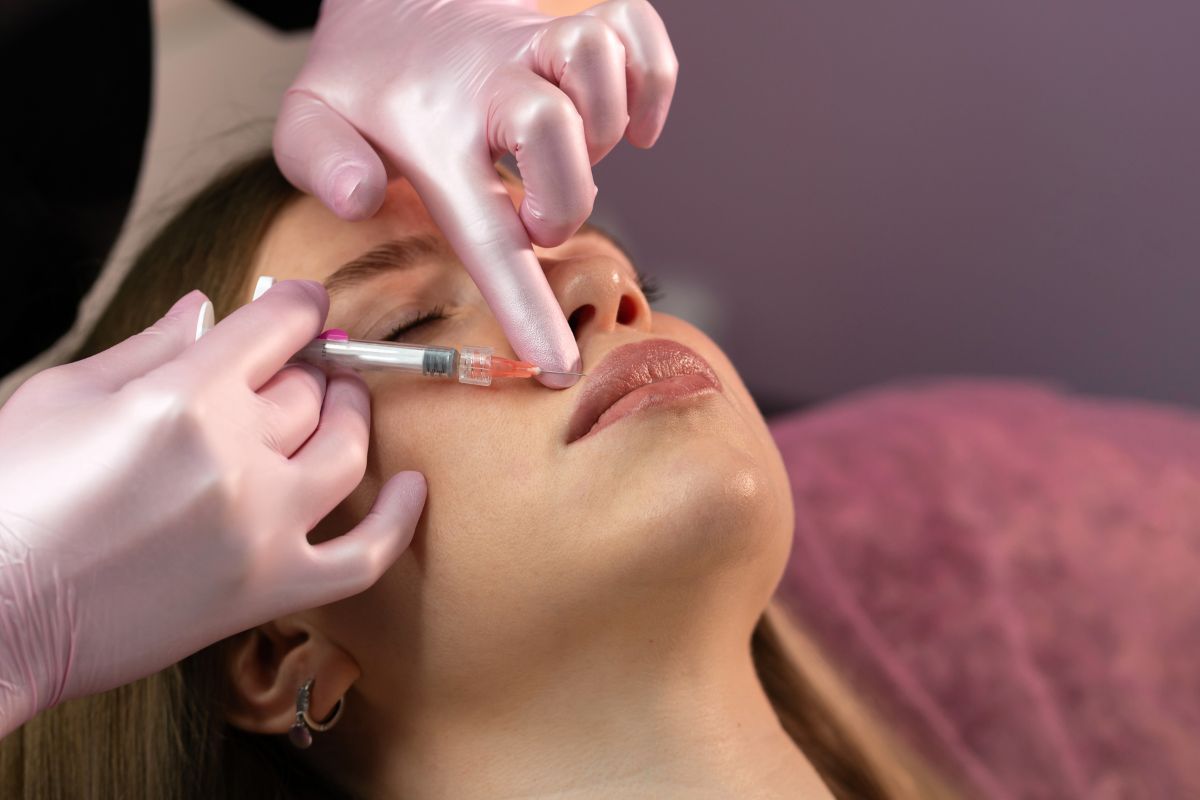
Before and After Lip Fillers: Important Recommendations
Following your physician’s instructions before and after treatment significantly improves both safety and longevity.
Before treatment:
- Stop taking blood-thinning medications such as aspirin, vitamin E supplements, and fish oil 3–5 days before treatment, if medically appropriate.
- Avoid alcohol for at least 24 hours before the procedure.
- Limit coffee and tea consumption before treatment.
- Inform your physician if you have a history of cold sores, as preventive antiviral medication may be recommended.
- Arrive without makeup on the day of your appointment.
After treatment:
- Avoid wearing makeup immediately after the procedure.
- Avoid consuming very hot foods and beverages, as heat may increase swelling.
- Do not excessively purse your lips or make exaggerated lip movements during the first 24 hours, as this may contribute to uneven filler distribution.
- The filler usually settles completely within approximately one week.
- Apply cold compresses during the first three days to reduce swelling.
- Avoid strenuous exercise for 2–3 days.
- Sleep on your back during the first few nights.
- Delay dental procedures for at least one week following treatment.
- Although serious complications are uncommon, persistent swelling, severe pain, discoloration, whitening, or other unusual symptoms should be evaluated by your physician immediately.
What Are the Risks and Side Effects of Lip Fillers?
Lip fillers are generally considered safe when performed correctly by experienced physicians. However, complications may occur if the procedure is performed improperly or in unsuitable conditions.
Possible side effects include:
- Mild swelling and edema, which usually resolve within 2–3 days.
- Bruising and minor bleeding, typically resolving within one week.
- Temporary tenderness or mild discomfort.
- Small lumps or unevenness caused by improper filler placement or poor-quality products.
- Infection, which may lead to open sores or inflammation if left untreated.
- Asymmetry or unsatisfactory cosmetic outcomes when performed by inexperienced practitioners.
- Severe pain, excessive bruising, significant swelling, or skin discoloration should be considered warning signs and require immediate medical evaluation.