




Mesotherapy is a minimally invasive aesthetic treatment in which skin-friendly ingredients such as vitamins, minerals, enzymes, amino acids, and hyaluronic acid are injected into the skin using ultra-fine needles. Facial mesotherapy is widely used in medical aesthetics to improve skin firmness, hydration, radiance, and overall skin health while creating a smoother and more youthful appearance.
In addition to skin rejuvenation and tightening, facial mesotherapy can also help improve various skin concerns, including acne, acne scars, sunspots, pigmentation, and uneven skin tone.
How Is Facial Mesotherapy Performed?
Before treatment, every patient undergoes a comprehensive consultation with the physician. During this assessment, the patient’s skin type, skin concerns, medical history, and aesthetic goals are carefully evaluated.
Based on this examination, a personalized mesotherapy formula is prepared according to the individual’s specific needs.
The procedure is performed in the following steps:
- The face is thoroughly cleansed and disinfected.
- A topical anesthetic cream is applied to maximize patient comfort.
- The customized mesotherapy solution is injected into the skin using ultra-fine needles.
Following both needle-based and needle-free facial mesotherapy, patients may experience mild redness, bruising, or swelling. These temporary effects are normal and usually resolve within several hours.
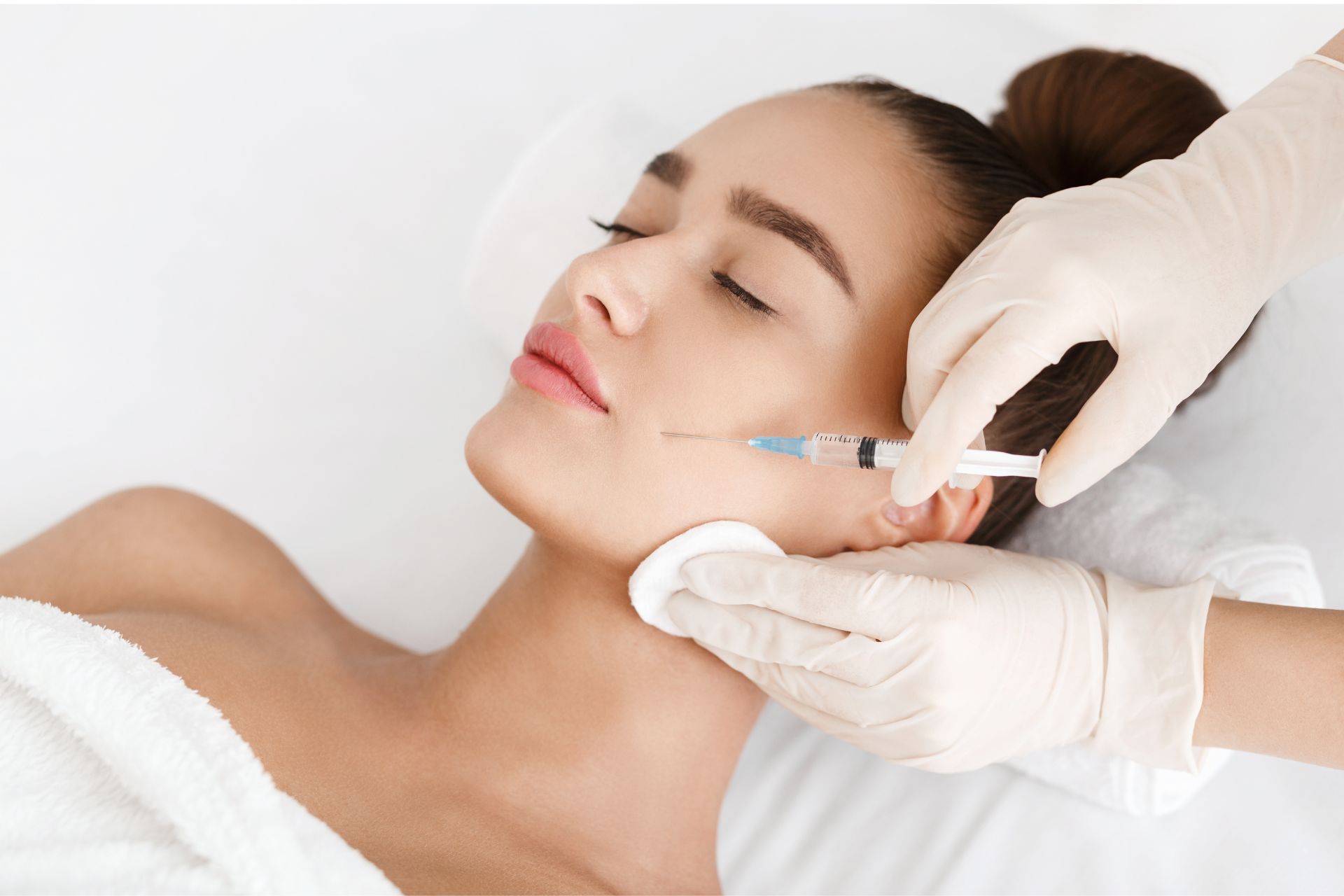
Hyaluronic Acid, Vitamins, and Minerals
Facial mesotherapy commonly includes hyaluronic acid, which deeply hydrates the skin while helping reduce the appearance of fine lines and wrinkles.
Hyaluronic acid is combined with vitamins, minerals, amino acids, and other regenerative ingredients before being injected into the skin.
With regular treatments, these nutrients stimulate skin regeneration, improve hydration, reduce dullness, and restore a healthier, brighter complexion.
Needle-Based vs. Needle-Free Facial Mesotherapy
The primary difference between the two techniques is the method used to deliver the active ingredients.
Needle-Based Mesotherapy
In traditional mesotherapy, the customized solution is injected approximately 4 mm beneath the skin using ultra-fine needles. This allows the active ingredients to reach the dermis directly, where collagen production and cellular renewal occur.
Needle-Free Mesotherapy
In needle-free mesotherapy, the skin is first cleansed before a specialized solution is applied to temporarily increase skin permeability by adjusting the skin’s pH.
Once the pores are opened, a vitamin- and mineral-rich formulation is gently massaged into the skin, allowing the ingredients to penetrate the deeper layers. Finally, another solution is applied to restore the skin barrier.
Both techniques are safe and effective. The most appropriate treatment method is determined during the physician consultation based on the patient’s skin condition and treatment goals.
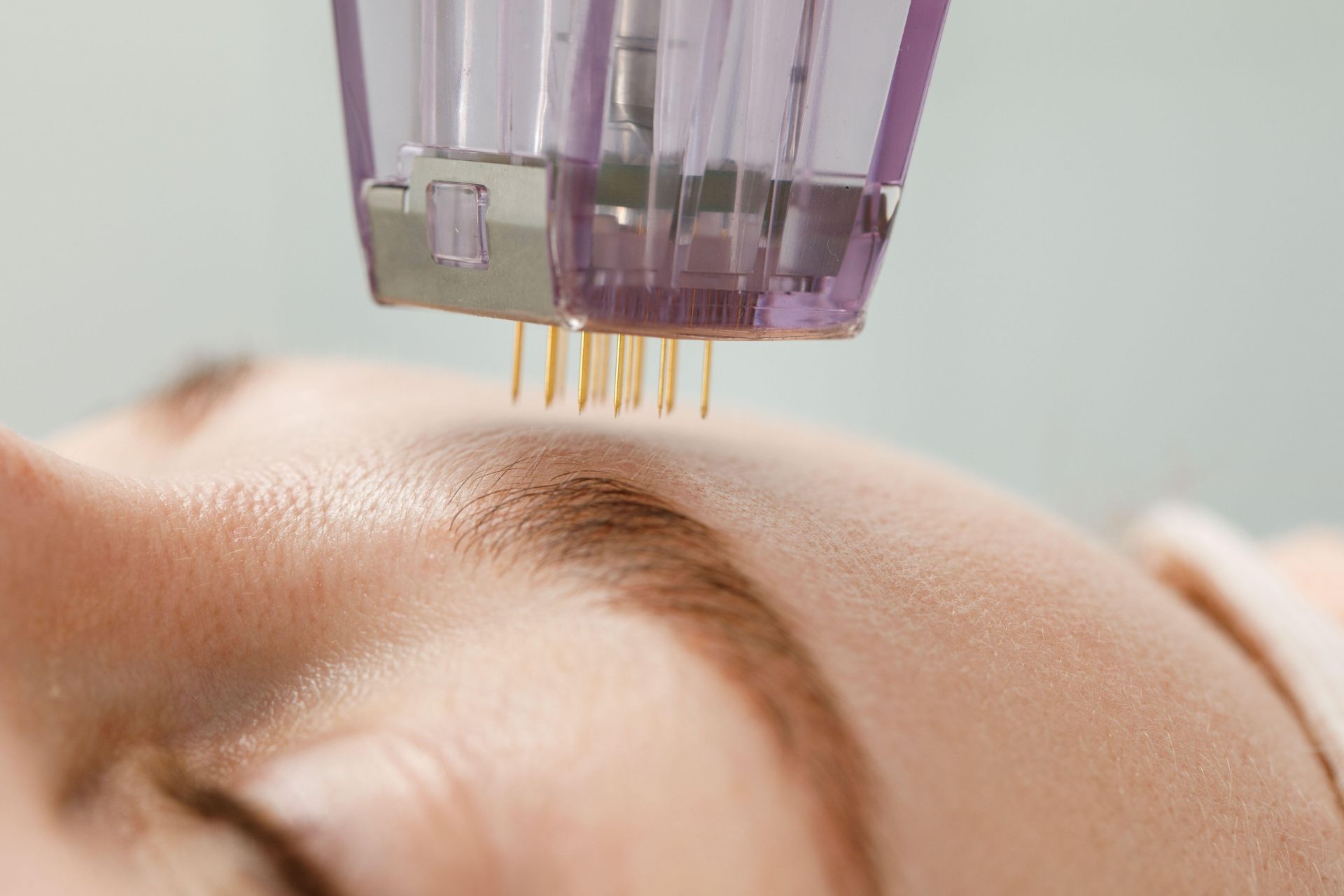
What Skin Concerns Can Facial Mesotherapy Improve
Facial mesotherapy helps address many common skin concerns associated with aging and environmental damage.
The treatment may improve:
- Fine lines and wrinkles
- Skin laxity
- Uneven skin tone
- Sunspots
- Under-eye pigmentation
- Crow’s feet
- Superficial skin lines
- Pigmentation irregularities
- Under-eye puffiness
- Dry skin
- Dull complexion
- Loss of hydration and elasticity
As collagen production naturally decreases with age, the skin gradually loses elasticity, leading to wrinkles and sagging. Lifestyle factors such as poor nutrition, chronic stress, inadequate skincare, dehydration, and insufficient sleep can also contribute to a tired, unhealthy appearance.
By delivering vitamins, minerals, and regenerative ingredients directly into the skin, facial mesotherapy helps restore elasticity, improve hydration, brighten the complexion, and reduce visible signs of aging.
How Many Sessions Are Needed?
The number of treatment sessions varies according to each patient’s skin condition and aesthetic goals.
After the initial consultation and first treatment, the physician determines the most appropriate treatment plan.
Treatments are generally performed every two weeks at the beginning. As the skin improves, the intervals between sessions are gradually extended to every three months and eventually every six months for maintenance.
More intensive treatment schedules may be recommended for stubborn pigmentation or long-standing skin concerns.
Recommended Number of Session
Although treatment plans are individualized, facial mesotherapy typically consists of 4–6 sessions.
The exact number depends on factors such as:
- Age
- Skin type
- Degree of sun damage
- Environmental factors
- Loss of elasticity
- Individual response to treatment
The treatment plan may be adjusted according to the patient’s progress and desired results.